1. Recipes
  2. Lunch & dinner
  3. Rice Vinegar

Korean

Rice Vinegar

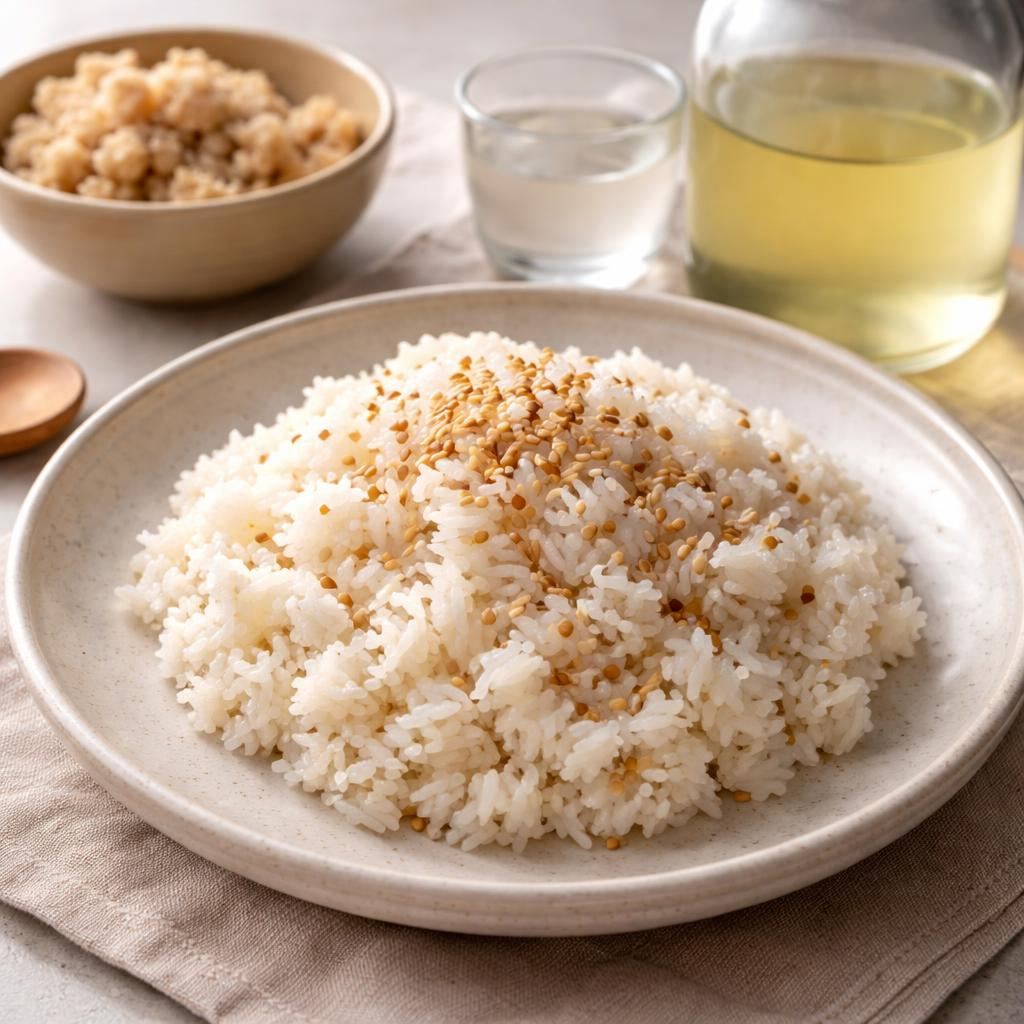
Ssal sikcho, the cloudy-turned-clear Korean rice vinegar made the old way: steamed rice and nuruk are fermented into a rough rice wine, then left open to the air under a cloth until the wild acetic bacteria turn it sour. Makes roughly 250 ml of finished vinegar — enough to keep a household in dressings, cho-gochujang and pickles.
70 min30 prep · 40 cookMedium552 kcalper serving
Rice Vinegar

Method

  1. Wash 150 g of short-grain rice in several changes of cold water until the water runs almost clear, then cover with fresh water and soak for 2 hours. Drain in a sieve for 30 minutes so the surface dries.
  2. Line a steamer with a damp cloth, spread the drained rice in an even layer and steam over boiling water for 40 minutes, until each grain is translucent and firm rather than porridgy. Turn the rice out onto a wide tray, break up the clumps and cool it to about 35C — warm to the hand, never hot, or the nuruk enzymes will be killed.
  3. Scald a 1-litre glass or earthenware jar with boiling water and dry it. Put in the cooled rice, 30 g of crumbled nuruk and 300 ml of unchlorinated water, and mix hard with a clean wooden spoon for a minute so the nuruk coats every grain. Cover the mouth with muslin and tie it down.
  4. Keep the jar at 23-25C, out of direct sun, and stir once a day with a scalded spoon. After 2 days it will fizz and smell yeasty; by day 5 or 6 the bubbling slows, the rice husks sink and it tastes and smells like young makgeolli — sweet, sour and lightly alcoholic. This stage takes 5-7 days.

4 more steps in Feat

Cook it step by step, scale it to your servings, add it to your plan and shopping list, and log it in one tap.

Open in Feat — it's freeiPhone · App Store

Per serving

552kcal
11gprotein
120gcarbs
1gfat
2gfibre

Computed from the ingredients against a food database, not estimated. The full nutrient table is in the app.

Was this recipe useful?

4 more steps in the app

Open in Feat